
South African fresh produce company Capespan operates in over 60 markets worldwide and specialises in citrus, grapes and pomme varieties. GTR speaks to group risk manager Antonella Da Cunha about Capespan’s main sources of financing and the challenges it faces as a soft commodity producer. GTR: Can you tell us about Capespan
AfricaPLC | News Contributor
Egyptian food-tech startup raises funding to stay afloat during the COVID-19 pandemic
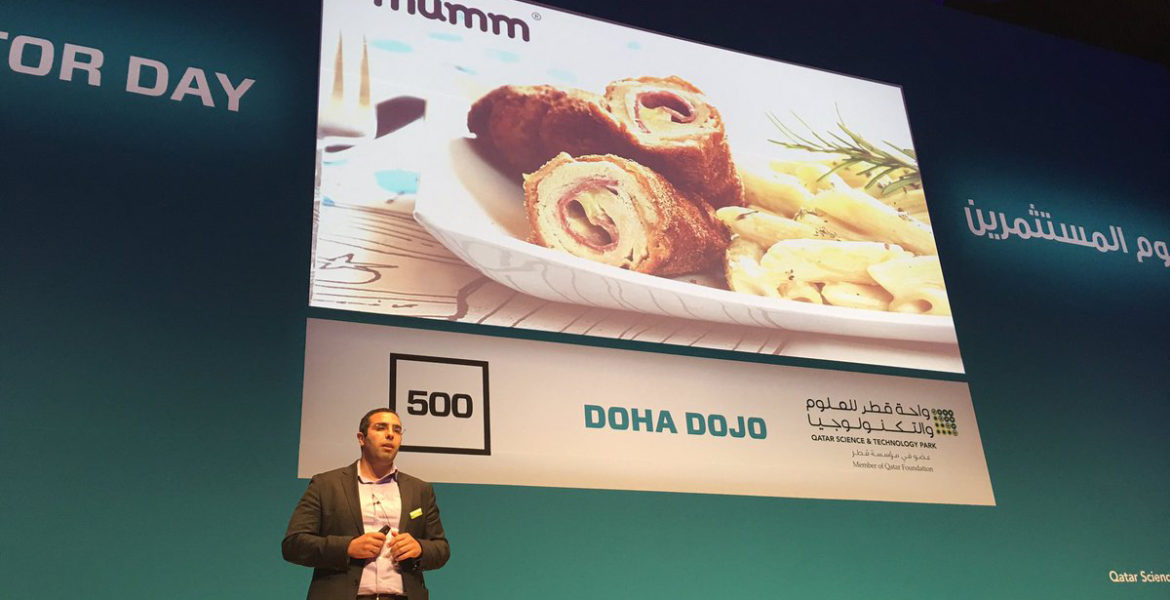
EGYPT – Egyptian food-tech startup, Mumm has closed a pre-Series A bridge funding round from Alexandria Angels to maintain its growth during and beyond the COVID-19 crisis. Founded by Waleed Abd El Rahman in 2015, Mumm is an online marketplace that delivers homemade food to individual customers as well as businesses.
Ghana government to invest in healthcare infrastructure

The President has announced plans by the Government to invest heavily in healthcare infrastructure, across the country, to ensure that every Ghanaian has access to quality healthcare. President Nana Addo Dankwa, who announced this said, this year, it will begin the construction of 88 hospitals in the districts without hospitals.
Emergency Numbers

Transmara Sugar plans Sh4.7 billion electricity plant
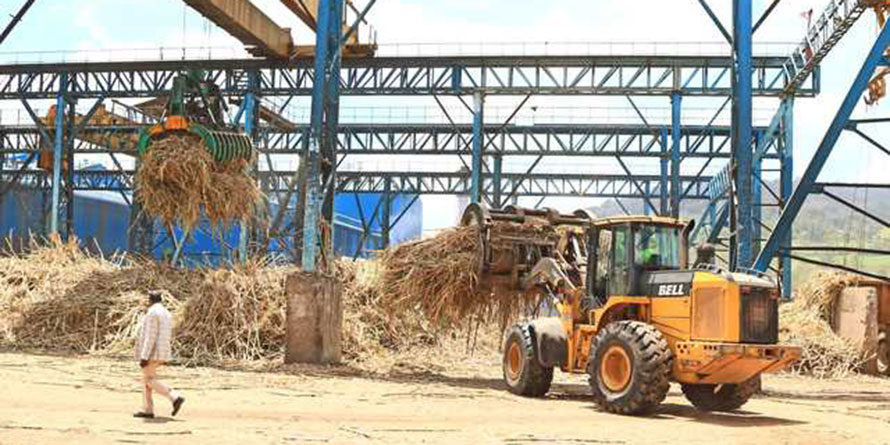
Transmara Sugar Company plans to produce 25 megawatt (MW) of electricity at its Kilgoris factory for which it is negotiating approval to generate and supply with regulators. The miller, a subsidiary of Mauritian sugar producer Alteo, plans to invest Sh4.7 billion ($45 million) in the bagasse — the crushed cane
Phatisa and partners acquire FES
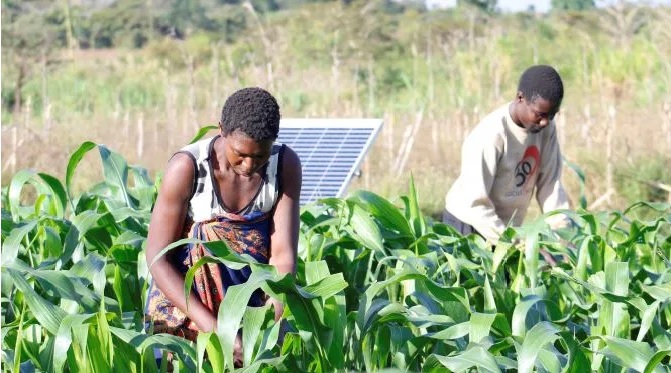
Phatisa Food Fund 2 (PFF 2) and a group of co-investors – Norfund, Mbuyu Capital and DEG – have acquired integrated agricultural solutions provider Farming and Engineering Services (FES). The consortium bought the FES stake held by Phatisa’s inaugural food fund (African Agriculture Fund) while the company’s management maintained their
Strengthening African value chains in medical supplies

On 3 March, the World Health Organization published estimates that the global production of personal protective equipment would have to ramp up by 40% to meet the surge in international demand¹. Breaking the numbers down to the regional level implies that Africa alone needs 15.3 million masks, 5.2 million gowns, 273,300 goggles,
